
Study with Gentle Traditions and become certified with a Diploma of Eastern Therapies
- Traditional Medicine School -
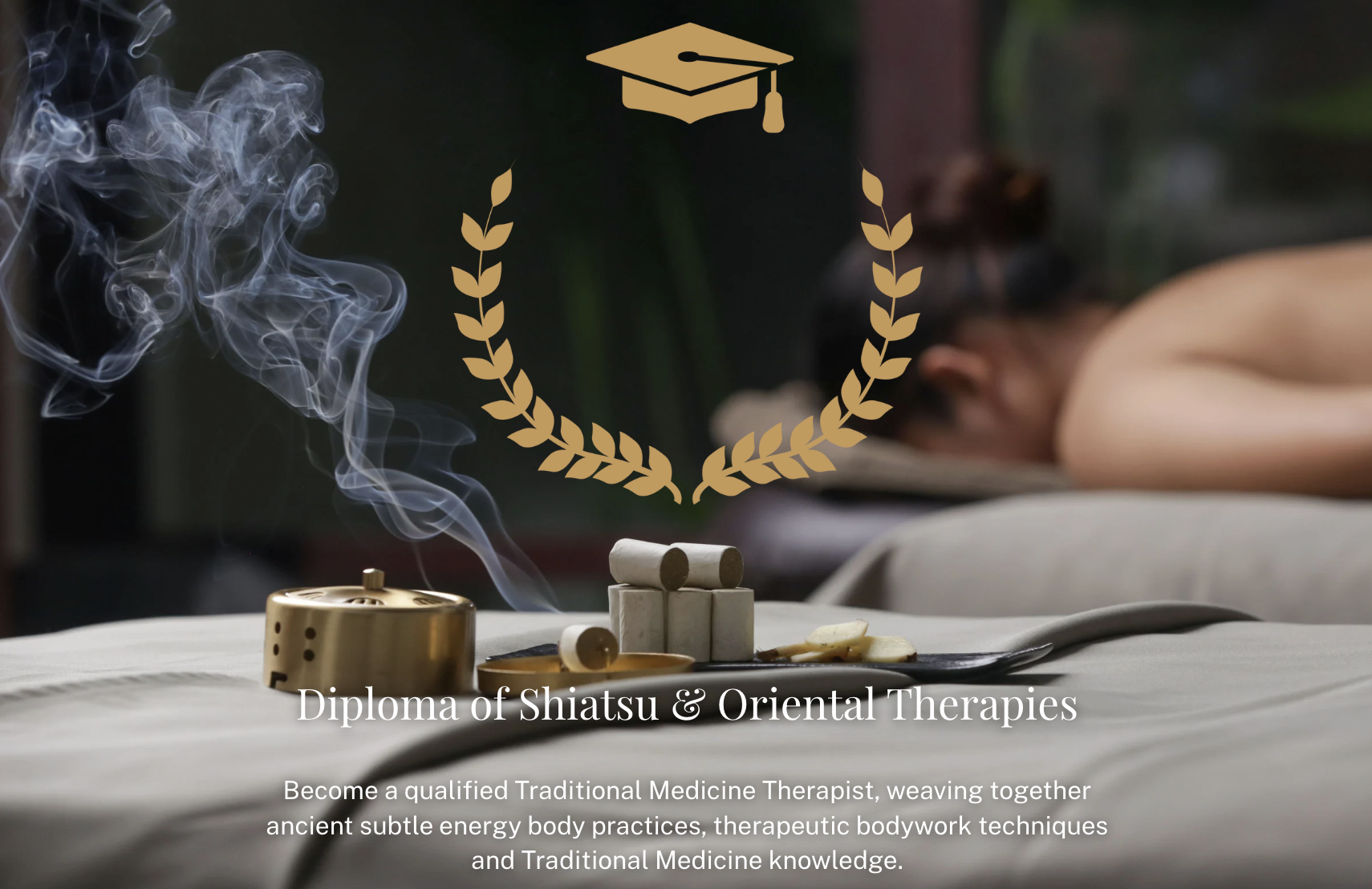
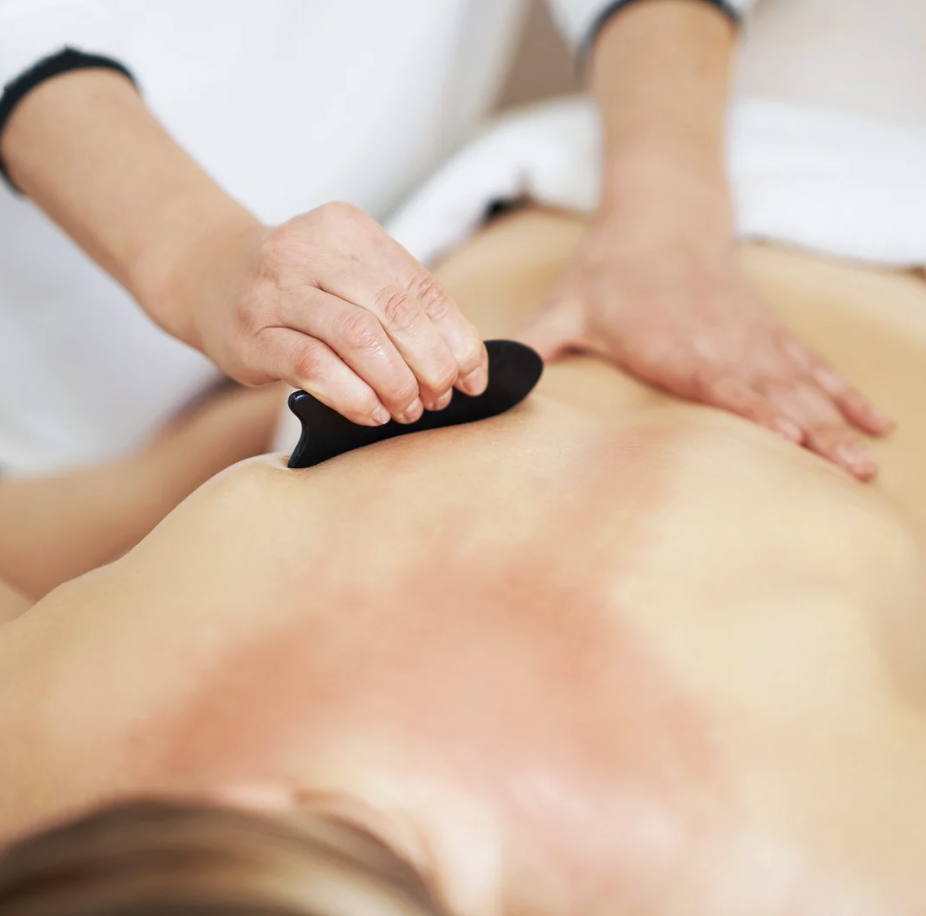
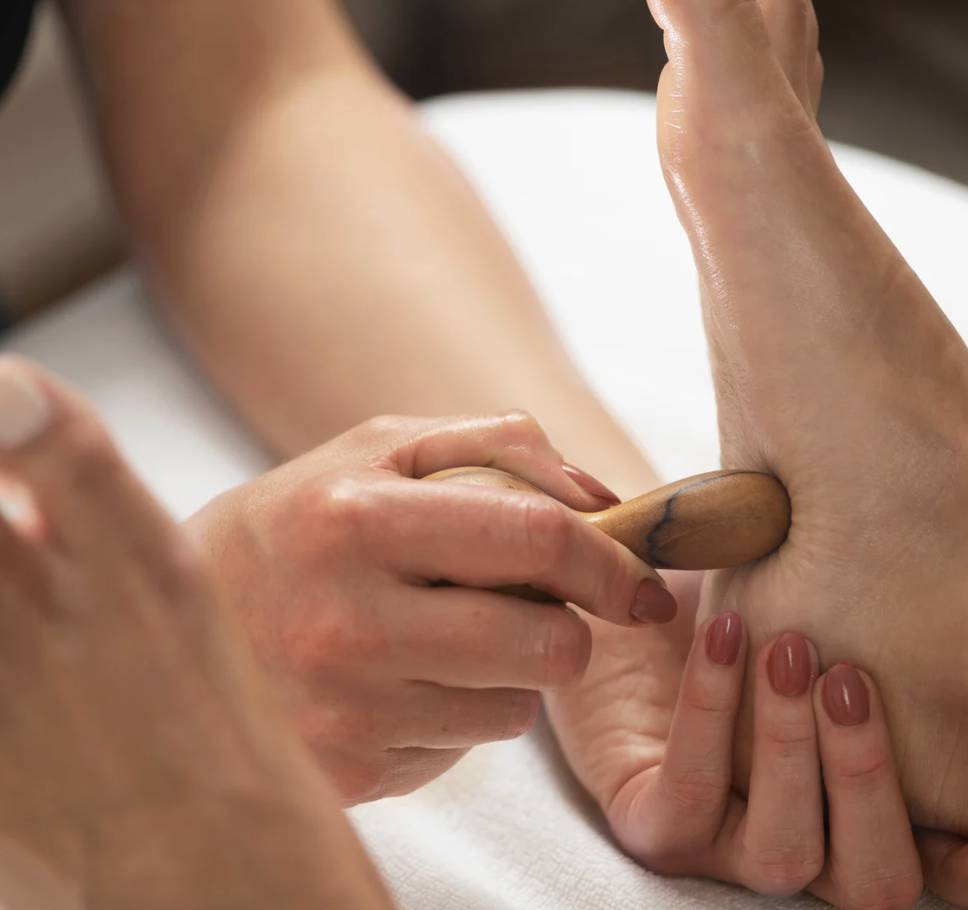
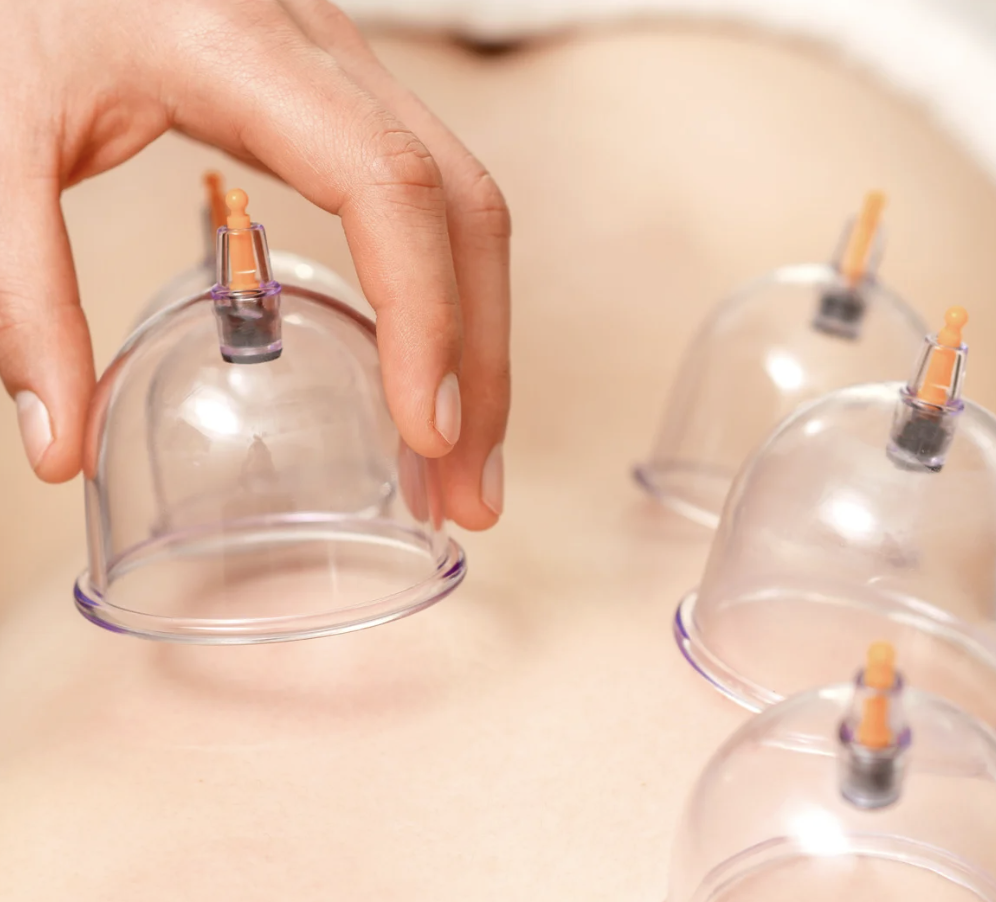
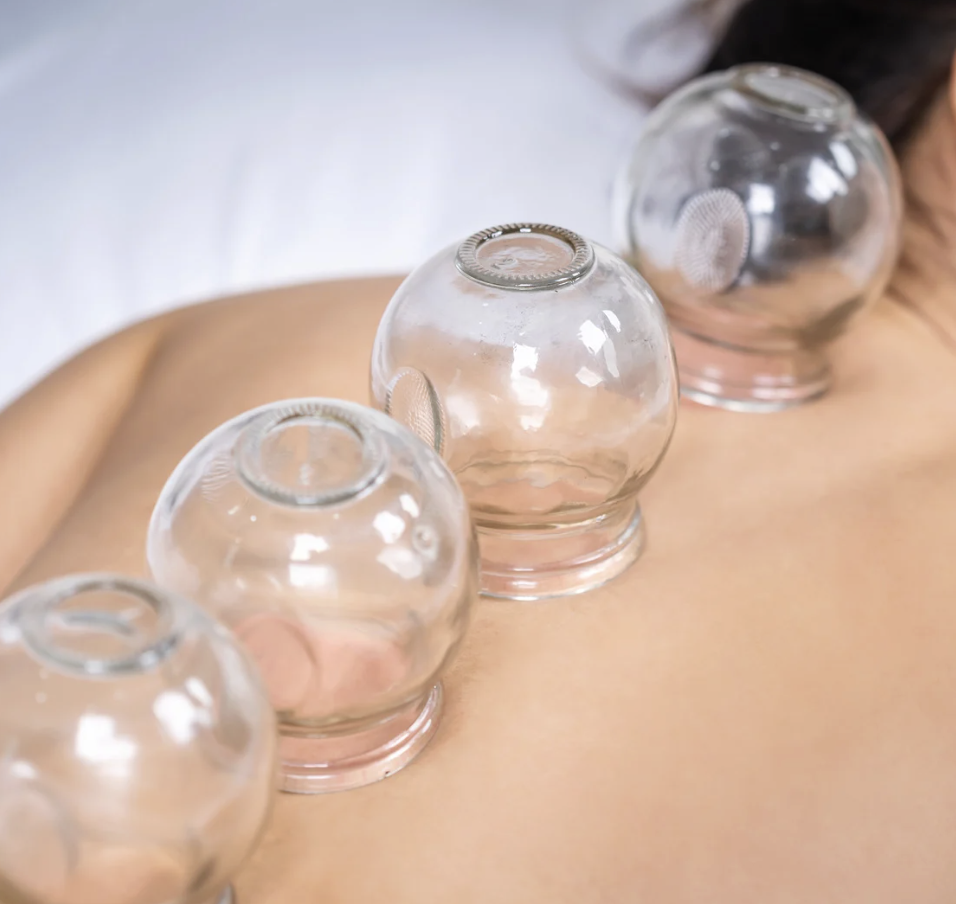
Introducing the Diploma of Shiatsu and Oriental Therapies, this year-long course offers comprehensive training in the art of 5 Element Wisdom embodied through Shiatsu massage, Cupping, Massage, Moxibustion and Food as Medicine. Students will develop a variety of skills, including Eastern bodywork practices and modern massage techniques with a strong foundation in Traditional Japanese and Chinese Medicine theory.
Graduates of this Diploma are prepared to work as Traditional 5 Elements Eastern Medicine Therapists in private practice or integrative health settings, offering grounded, compassionate care for stress, pain, musculoskeletal issues, fatigue and imbalance, or to weave these skills into existing health, bodywork or women’s health practices.
Students will learn:
Theory and philosophy of Traditional Japanese and Chinese Medicine 5 Elements
Shiatsu massage and other bodywork techniques
Holistic patient assessment and treatment planning
Introduction to Women’s Health, Pregnancy Shiatsu and Postpartum Therapies
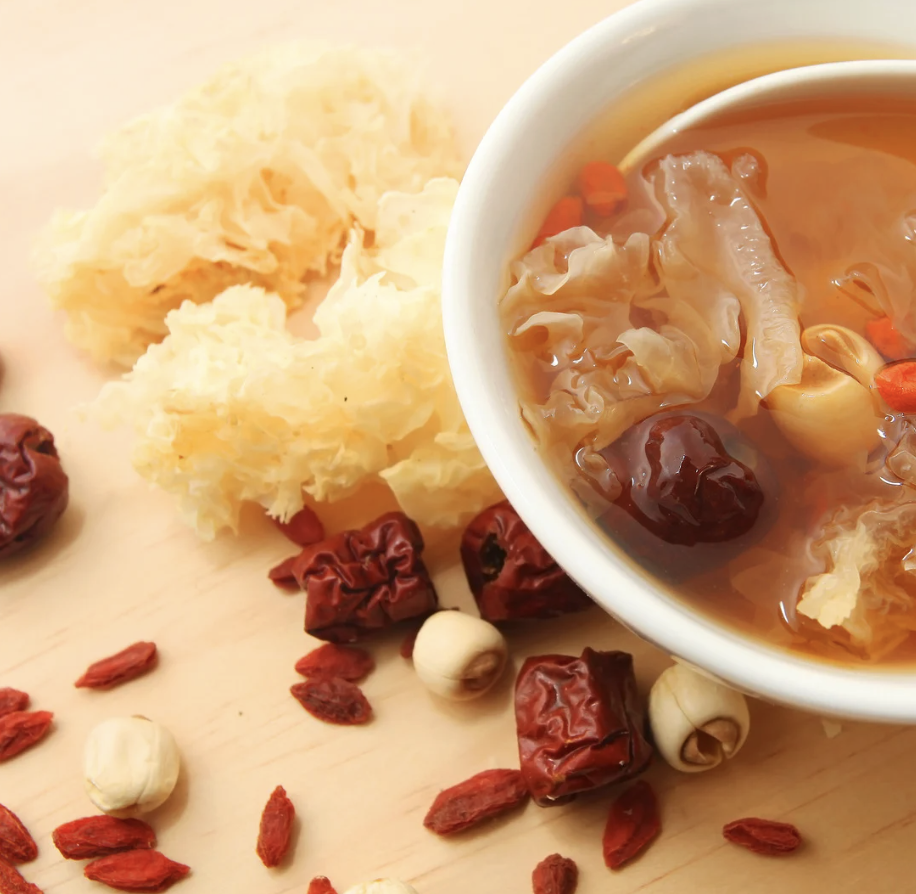
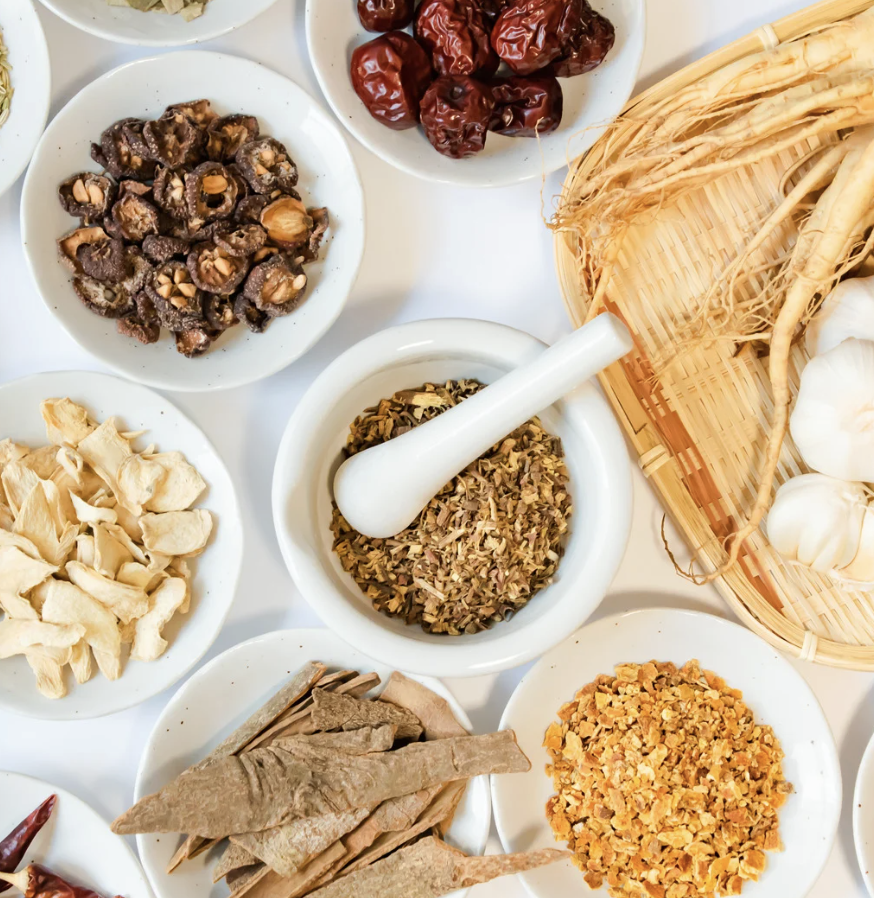
Food as medicine and lifestyle interventions
Professional practice, ethics and client care
This course is suited to those who feel drawn to the principles of Traditional Medicine practice, who value gentleness and depth, and who wish to practice in a way that is sustainable, ethical and rooted in respect for the human body and its cycles.
This course offers:
National recognition in Australia
Qualification within 12 months (Full Time)
Adaptable skillset
Small classes, individual mentorship and support
Focus on self-development and genuine mastery
Course Details
Course Title: Diploma of Shiatsu and Oriental Therapies
Provider: Australian College of Eastern Medicine in collaboration with Gentle Traditions - School of Traditional Medicine
Delivery: Mixed Online & In-Person
Location: Gold Coast - QUEENSLAND
Cost: $12, 000 - Finance options by application
Teacher Bio - Dr. Naomi Jansson
Dr. Naomi Jansson Founder of the School of Traditional Medicine
Teaching the Diploma of Shiatsu and Oriental Therapies HLT52215
From Australian College of Eastern Medicine
Naomi Jansson is a second-generation Chinese Medicine Doctor and Educator; an integrative Clinical Nurse Consultant for Women’s Health and Complex Clinical Care with over 25 years of experience. Her work is grounded in Classical East Asian medicine lineages, with a particular focus on Classical Five Element theory as a living system that informs both clinical practice and everyday life.
Raised in a Traditional Medicine household, Naomi inherited an early and embodied relationship with classical medicine. This foundation led her to formal study and lifelong apprenticeship across multiple East Asian medical systems, including Chinese Medicine (Zhongyi), Japanese Medicine (HariKyu), Tibetan Medicine (Sowa Rigpa), and Ayurveda. Her clinical and educational approach is deeply shaped by lineage-based transmission, classical texts, and ongoing mentorship with Master practitioners in Australia, Japan, and the United States.
Naomi holds a Master of Chinese Medicine (Acupuncture) from RMIT University and a Bachelor of Nursing from QUT, and is AHPRA-registered in both professions. This dual clinical training uniquely positions her to teach Five Element theory not only as philosophy, but as a precise diagnostic and clinical framework, integrated with contemporary healthcare settings. Her teaching bridges classical pattern differentiation, elemental psychology of the Spirits, constitutional assessment, and treatment strategy, while remaining accessible & practical with a deep focus on ethics.
A defining aspect of Naomi’s work is her ability to translate classical medicine into language and practices that empower practitioners and clients alike. She emphasises the Five Elements as a tool for clinical clarity, therapeutic relationship, client education, and self-cultivation, enabling students to confidently apply theory in clinic, mentoring, and everyday life. Her teaching weaves meridian therapies, moxibustion, herbal elements dietetics, breath, movement, and lifestyle medicine into a coherent, lived system of care.
Naomi is an undergraduate and postgraduate teacher, mentor, speaker, and advocate, offering programs, apprenticeships, community clinics, and advanced training for practitioners and students of Traditional Medicine.
Her teaching is known for its depth, integrity, and clarity honouring the ancestors and classical roots of medicine while equipping modern practitioners with tools that are clinically effective, relationally intelligent, and immediately applicable.
Naomi teaches with an insight that classical medicine is not static knowledge, but a living transmission one that must be embodied, ethically practised, and clearly taught in service of those who seek care and understanding.
Naomi has additional courses that specialise in Women’s Health:
Alongside her classical training, Naomi has undertaken extensive study in living intercultural and folk medicines for women’s health, learning directly from Indigenous Australian, South American, European, Middle Eastern, Irish/Celtic/Gaelic, and Russian traditions. These studies include pelvic steaming, closing the bones rituals, rebozo and abdominal binding, womb and breast care, postpartum recovery practices, and traditional herbal, food, and movement medicine. This breadth allows her to contextualise Five Element medicine within rites of passage, reproductive health, and women’s lived experience, without diluting its classical integrity.
Classical Japanese Moxibustion
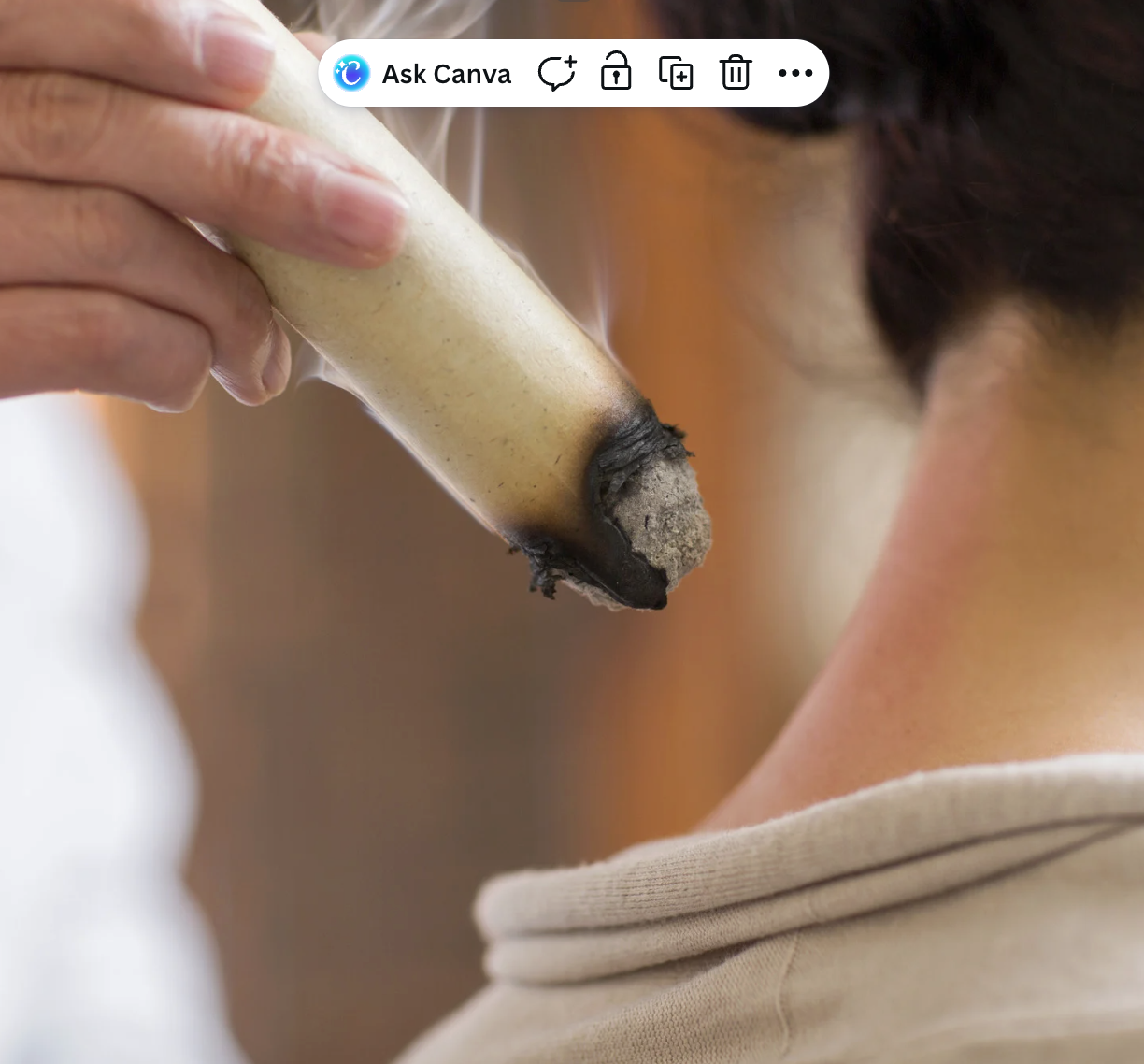
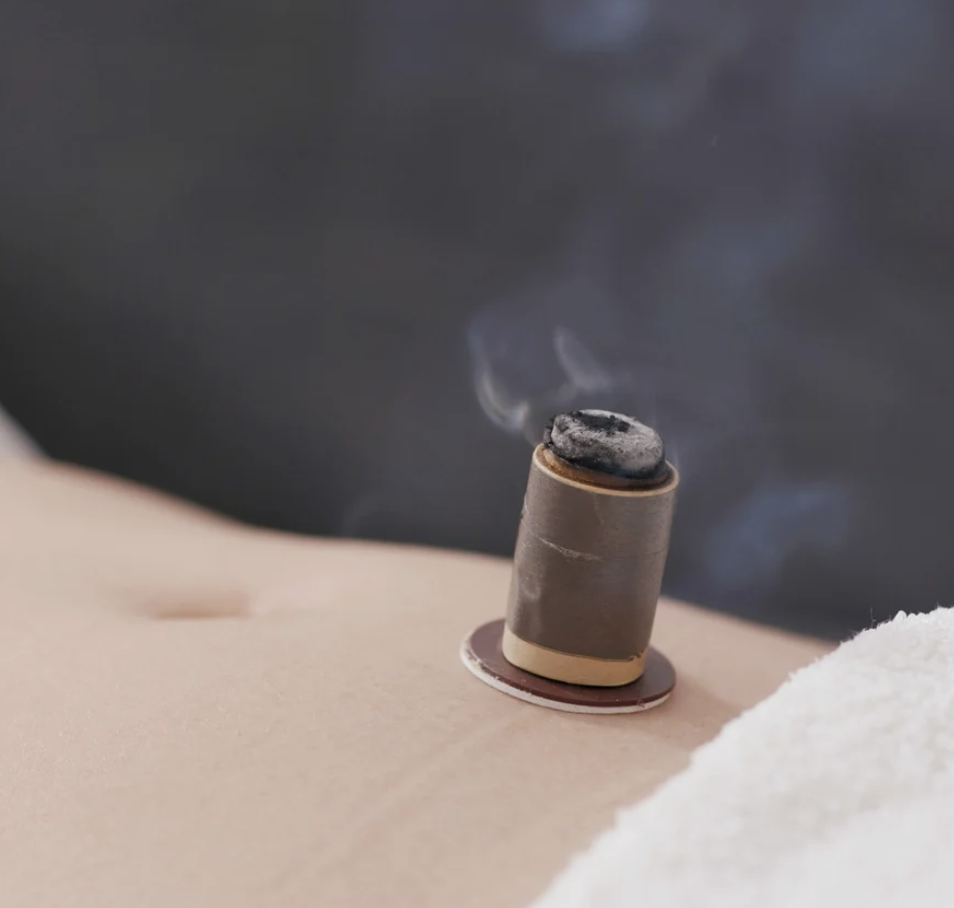
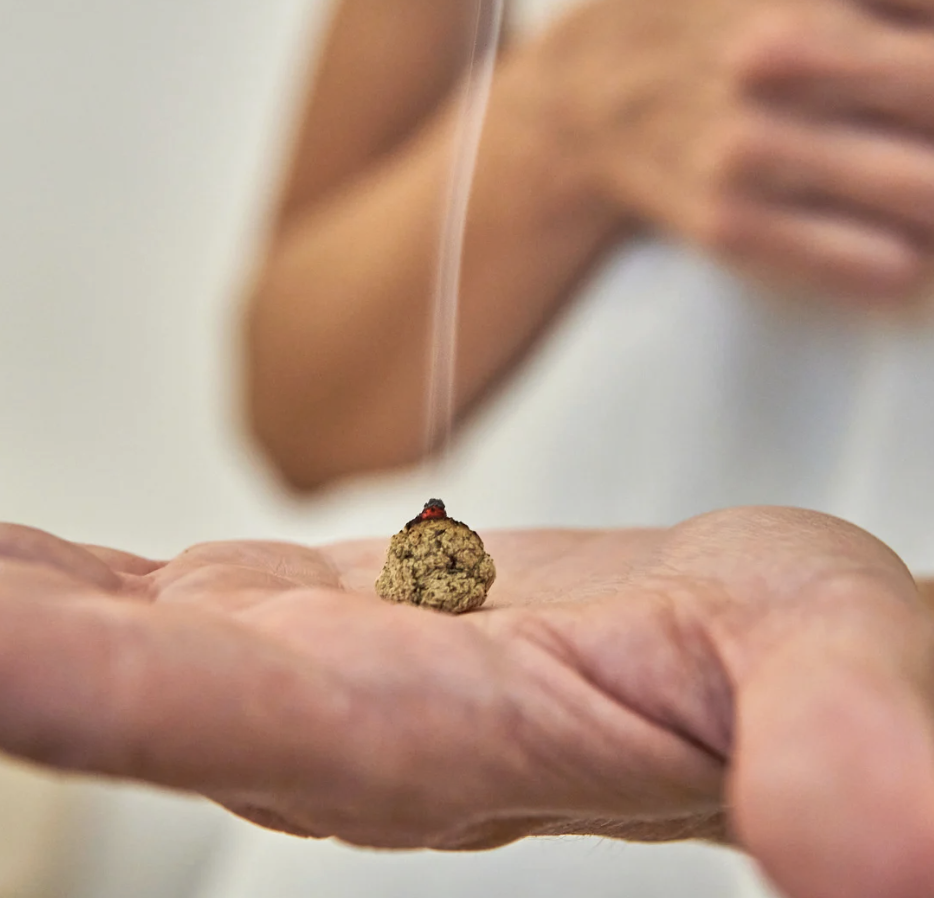
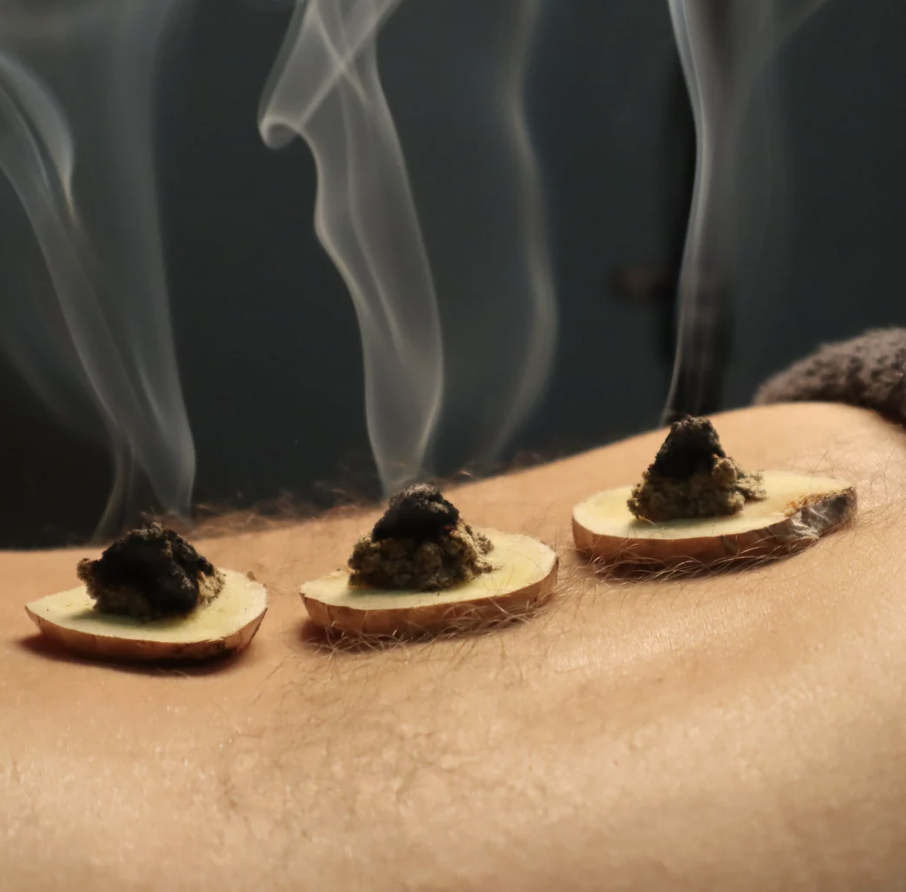
Naomi has undertaken deep and sustained enquiry in the classical traditions of Moxibustion, recognising it as a complete and sophisticated medical system in its own right, rather than an adjunct technique. She has dedicated many years to the disciplined practice, observation, and clinical application of moxa, with particular attention to its profound capacity for prevention, constitutional strengthening, and the treatment of complex disease states and elemental imbalance.
Trained by multiple masters of classical moxibustion, Naomi works with both direct and indirect methods, seasonal and constitutional approaches, lineage informed protocols rooted in classical texts and oral transmission. Moxibustion is central to her personal cultivation, clinical work, and teaching, and is used consistently in her own life as a foundational practice for regulating Qi, Blood, and Spirit.
In her teaching, Naomi invites practitioners to move beyond superficial application and into true relationship and mastery with fire medicine emphasising precision, discernment, safety, and embodied understanding. Students are guided to develop confidence in clinical decision-making while also learning how to educate and resource clients to work with moxa responsibly as part of everyday self-care and long-term health cultivation.
Teacher Bio - Julia Turner
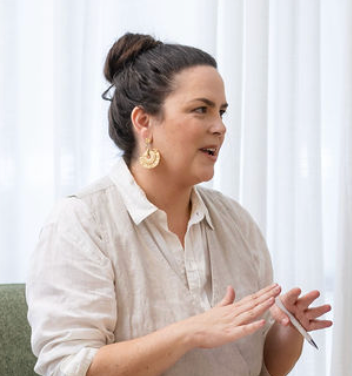
Julia is a Shiatsu teacher and clinical massage therapist with a clinical interest in women’s health, her teaching and therapeutic approach rooted in the principles of preventative care, seasonal and cyclical living, and the philosophical foundations of Chinese Medicine. Her work is informed by a deep respect for the body’s innate intelligence and the cultivation of balance across the life cycle.
She has worked full-time in clinical practice for over five years, integrating Shiatsu with a range of specialised bodywork modalities, including Kahuna and Lomi Lomi massage, Arvigo® abdominal therapy, deep tissue techniques, lymphatic drainage, pregnancy massage, and moxibustion. This breadth of experience enriches both her hands-on clinical work and her teaching.
For the past three years, Julia has trained and apprenticed alongside Dr Naomi Jansson (TCM, MAppSci), further deepening her studies in Traditional Chinese Medicine with a particular focus on women’s health, postpartum care, and food as medicine. Alongside her bodywork background, she brings extensive experience as a yoga teacher, including Yin Yoga and practices supporting women through menstruation, fertility, and menopause.
Julia also teaches Food as Medicine at the Australian College of Eastern Medicine and is passionate about supporting students to integrate classical Chinese medicine philosophy with embodied, practical therapeutic skill.
Download course guide here:
View Course Calendar here: 2027 dates released in November
Go to Australian College of Eastern Medicine website:
Frequently Asked Questions
-
This course is suited to those who feel drawn to traditional and multi-dimensional ways of understanding the body and health. Many students come from backgrounds in women’s health, bodywork, massage, midwifery, counselling, yoga or community care, while others are beginning on a new path. If you are curious, committed, and seeking to learn skills that will support you and your clients through all seasons of life, then this course is for you.
-
No prior qualifications are required. The course begins with foundational theory and skills and builds gradually. Students with previous experience often find the training deepens and refines their existing practice, while new students are well supported to develop confidence and capability over time.
-
Yes. Practical training and supervised clinic experience are integral to the course. Students gradually build the skills and confidence needed to work safely and ethically with clients, supported by ongoing feedback and mentorship.
-
On successful completion, students receive the Diploma of Shiatsu and Oriental Therapies, a nationally recognised qualification. This supports graduates to work professionally as Shiatsu practitioners or to integrate these skills into existing health or wellbeing practices.
-
Graduates may establish private Shiatsu practices, work in wellness or integrative health settings, or incorporate Shiatsu and Oriental medicine principles into massage, women’s health, postpartum care, counselling or community-based work. Many students also undertake the course as part of a longer personal and professional journey.
-
The course requires steady engagement with both study and practice. Students are encouraged to allow time not only for learning content, but for integration - practising techniques, receiving treatments, and reflecting on their own process. Course content is delivered across two days per week during each semester (1280 hours over 30 weeks total). In addition, students are expected to engage with online classes and content. See Prospectus 2023 for detailed breakdown of each unit.
-
If you are drawn to learning that is slow, authentic and respectful of traditional learning from teachers to apprentices; if you value gentleness, depth and relationship; and if you feel called to support others in a meaningful, grounded way, this course may be a good fit. This course is designed for those with an authentic relationship to Traditional Eastern Medicine and Philosophy. You are welcome to reach out with questions or to discuss your circumstances before enrolling.
Refund, Course Withdrawal
& Deferral Policy

READ
DETAILS BELOW
Purpose
This policy outlines the circumstances under which refunds, withdrawals, and deferrals may be granted by the College. This policy operates in accordance with the Australian Consumer Law (ACL) and does not exclude, restrict, or modify any rights available to students under the ACL.
Refunds, course deferrals and withdrawals may be available under the following circumstances:
1. Cooling-Off Period (Pre-Commencement)
Students are entitled to a 30-day cooling-off period from the date of enrolment. During this period, a student may withdraw from the course and receive a full refund less a non-refundable administrative fee of $400.
This cooling-off refund applies only where the withdrawal occurs more than three (3) months prior to the course commencement date. Refund requests made within 3 months of course commencement are not eligible for a refund. Please note, this refund applies for tuition fees only and does not include the cost of books, uniforms, equipment or other course resources purchased by the student.
All refund requests must be submitted in writing within the 30-day cooling-off period. After this period has expired, refunds will only be provided where required under Australian Consumer Law.
2. Course Deferral
Students may request a deferral within the first six (6) weeks of commencing the course under exceptional circumstances. Deferral requests must be made in writing and are subject to approval by the College. Deferral approval is not guaranteed and is subject to course availability and academic progression requirements.
A $1,000 administrative fee applies to all approved deferral requests.
Deferred students must complete all course requirements within two (2) years from the original commencement date.
3. Post-Commencement Withdrawal and Refunds
All tuition fees are non-refundable after course commencement without exception. This includes, but is not limited to, withdrawal due to personal circumstances, employment changes, financial hardship, non-attendance, or failure to meet course requirements.
4. Provider-Initiated Course Changes or Cancellation
Under any circumstances where the College is unable to deliver the course as agreed, including but not limited to, course cancellation, insufficient enrolments, or regulatory constraints:
Students will be offered a full refund of tuition fees paid, or
An alternative course or commencement date, where available
Administrative fees will be refunded where required under Australian Consumer Law.
5. Consumer Law Rights
Under Australian Consumer Law, students may be entitled to refunds under exceptional circumstances where:
The course was not delivered as described
There is a major failure in the delivery of services
The College is unable to provide the course due to circumstances within its control
In all circumstances where Australian Consumer Law applies, refunds will be provided in accordance with the law.